ServicesBox Truck Insurance
Box Truck Insurance in Douglasville
We help box truck operators sort out liability, cargo and physical damage coverage piece by piece. You learn what each part protects and what it leaves out. Then we build a policy around the freight you actually haul.
What box truck insurance covers and who needs it
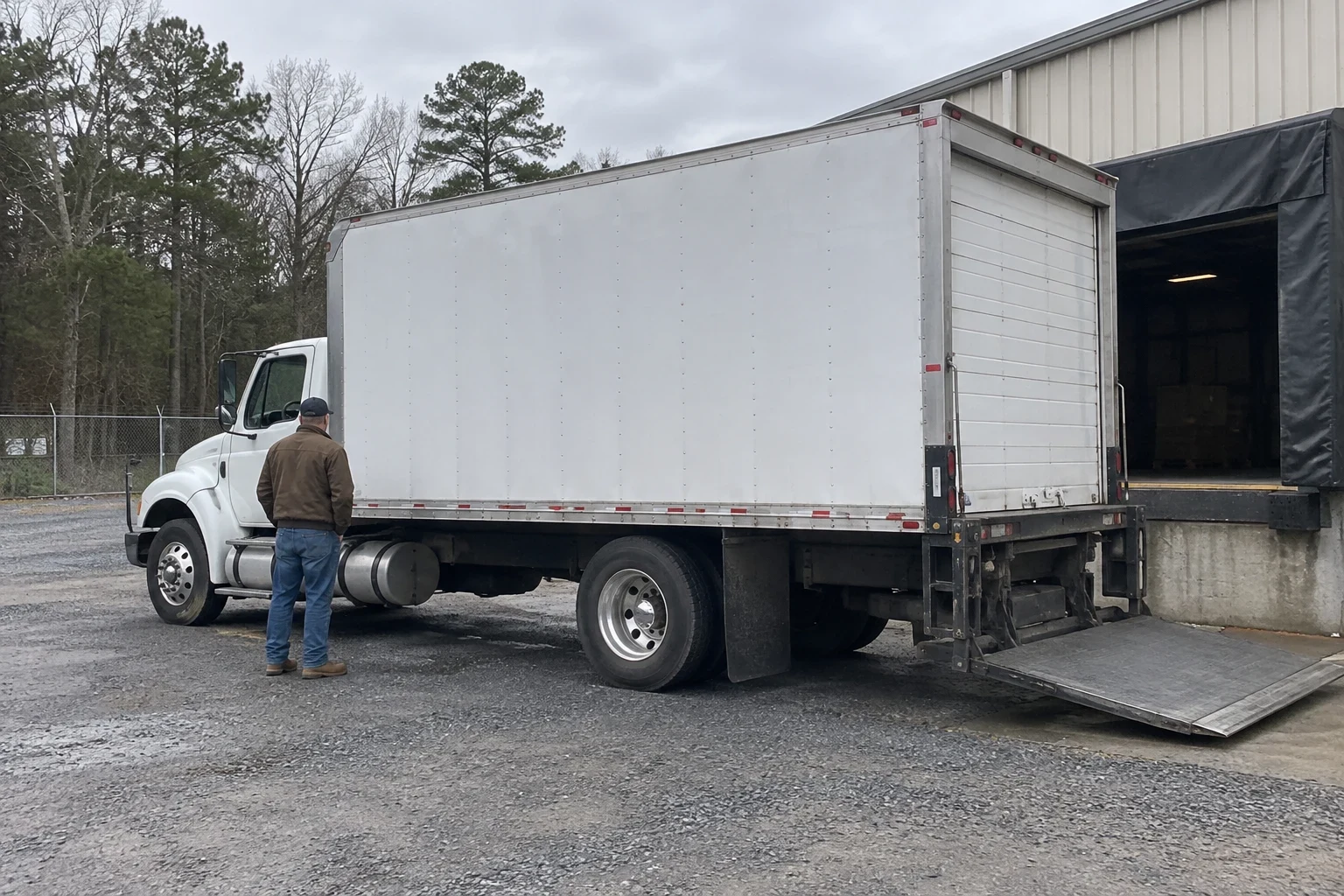
Box truck insurance is a set of commercial coverages for straight trucks. These are typically the 16 to 26 foot units used for local delivery, furniture and appliance moves, and contract freight. It is not one product. It combines liability for damage you could cause, physical damage for the truck itself, and cargo coverage for what sits behind the roll-up door. A few smaller pieces matter depending on the work.
We treat each of those pieces like a material choice. Each one has a strength, a cost and a gap. The right mix for a furniture mover is not the right mix for someone running dedicated routes for a retailer. Our job is to lay those trade-offs out clearly, so the policy you sign matches the loads you carry and the contracts you hold.
Some operators run a single truck under their own authority. Others are adding box trucks to a larger operation. We work with both, from Douglasville through Lithia Springs, Austell and the rest of the west metro.
The coverages we put together for box trucks
- Auto liability
- This pays for injury and property damage you cause to others on the road. It is the coverage brokers, shippers and regulators look at first. The limit you choose affects which loads you can accept.
- Physical damage
- This is comprehensive and collision coverage for the truck, including the box body and a liftgate if you list it. We help you weigh the deductible against the premium, so a claim does not sink a slow month.
- Motor truck cargo
- This protects the freight you haul. We read the exclusions with you, because policies differ on unattended trucks, theft from an unlocked box, high-value goods like electronics, and refrigeration breakdown.
- General liability
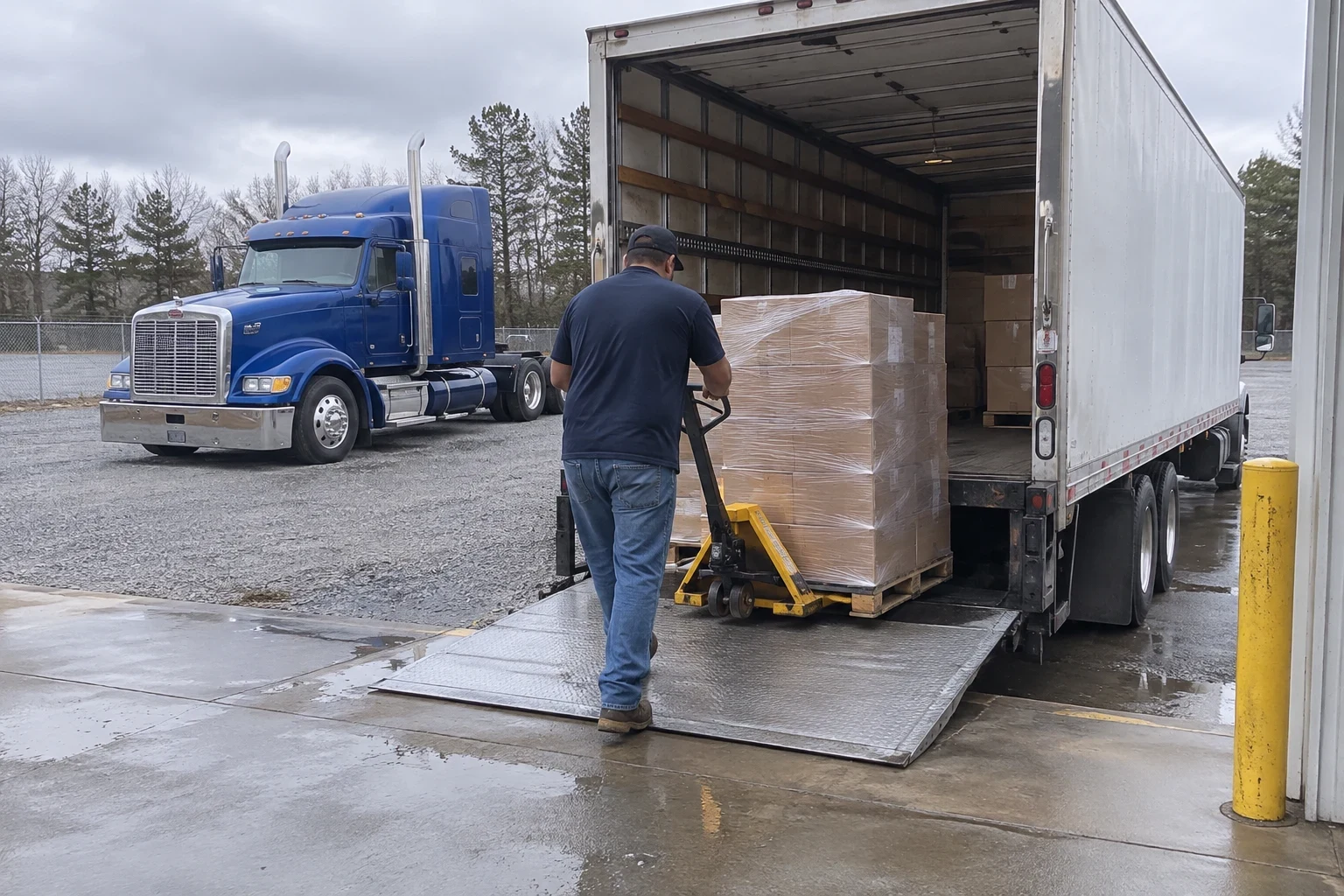
- This covers accidents off the road, such as a dolly scraping a customer's floor or a pallet tipping at a dock. Many delivery and moving contracts ask for it alongside auto liability.
- Filings and certificates
- When your operation requires state or federal filings, we handle them with the insurance company. We also issue certificates of insurance to the brokers and customers who need them.
Signs your box truck coverage needs a closer look
A broker turned down your certificate
Load boards and contract shippers set minimum limits. If your certificate keeps getting rejected, your liability or cargo limit may be lower than the work you want.
You changed what you haul
Moving from dry boxed freight to appliances, furniture or refrigerated goods changes the cargo risk. A policy written for one commodity can leave the new one uncovered.
The truck is still on a personal auto policy
Personal policies generally exclude business use. If the truck earns money, it needs a commercial policy.
You added equipment or a second truck
A liftgate, reefer unit or extra truck that is not listed on the policy may not be valued correctly after a loss.
Your renewal jumped without explanation
A rate change usually traces back to something specific, such as a claim, a violation, a new driver or a shift in the market. We find out which one before you decide anything.
What shapes your box truck premium
Box truck premiums are built from a handful of facts about your trucks, drivers and freight. Two operators with identical trucks can pay very different amounts. We explain which factors are driving your number and which ones you can influence.
Driver records and experience
Years behind the wheel of a commercial vehicle carry a lot of weight. So do recent violations and prior claims. A new hire with a clean record but little experience can still move the price.
Radius and type of work
Final-mile delivery inside the metro is rated differently than regional runs on the interstates. Longer hauls and more highway exposure raise the liability side.
Commodity
Furniture moves, electronics and refrigerated loads carry more cargo risk than boxed dry freight. Insurers price that in.
Truck value and equipment
The cost of physical damage coverage follows the stated value of the truck, the box, the liftgate and any reefer unit. The deductible you pick also moves it.
Authority age and loss history
A brand-new MC authority has no track record, so early premiums tend to run higher. A few clean years often help at renewal.
How we put coverage on your box truck
- 1
A conversation about your operation
We start by phone or video. We ask what you haul, how far you run and who drives. We also ask whether you hold your own DOT number and MC authority or run under someone else's.
- 2
Options laid side by side
We gather quotes and walk you through them one coverage at a time. That means the limits, the deductibles and the exclusions that matter for your freight. You see the trade-offs before you see the premium as a single number.
- 3
Binding and paperwork
Once you choose, we bind the policy and complete any required filings. Then we send certificates of insurance to the brokers or customers you name.
- 4
Changes through the year
Adding a truck, a driver or a new customer contract starts with a phone call. We update the policy and reissue certificates, so you are not held at a dock waiting on paperwork.
Box truck insurance questions
Do I need a DOT number or MC authority for a box truck?
It depends on the truck's weight and where you operate. Trucks over 10,001 pounds used in interstate commerce generally need a USDOT number. For-hire carriers crossing state lines usually need MC authority too. We help you sort out which rules apply before the policy is written, since the filings have to match.
Can I drive for a delivery contractor under their insurance?
Sometimes. If you lease onto a carrier, their policy may cover you while you are dispatched. You may still need non-trucking liability (bobtail) insurance and physical damage coverage on your own truck. We can go through the lease with you so you know exactly where their coverage stops.
Does cargo insurance cover everything in the box?
No. Most cargo policies list excluded or limited items. Many also set conditions about leaving the truck unattended or unlocked. If you haul high-value or temperature-sensitive goods, we look for a policy written for that freight.
Is a box truck cheaper to cover than a semi?
Often it is, because the truck is lighter and usually runs shorter routes. Driver history, freight and limits can still outweigh the size of the truck. We quote based on your actual operation rather than assumptions.
What should I have ready when I call?
Have your VINs handy, along with each driver's full name, date of birth and a rough picture of their driving history. Bring your DOT or MC number if you have one, and a sense of what you haul and how far. Prior policy details and loss runs help too. If something is missing, we can still start the conversation.
Cover your box truck for the work it does
Tell us about your trucks, your drivers and your freight. We will walk you through the options one coverage at a time, and you get your quote by phone with the trade-offs explained.