ServicesPrimary Auto Liability
Primary Auto Liability Insurance in Douglasville
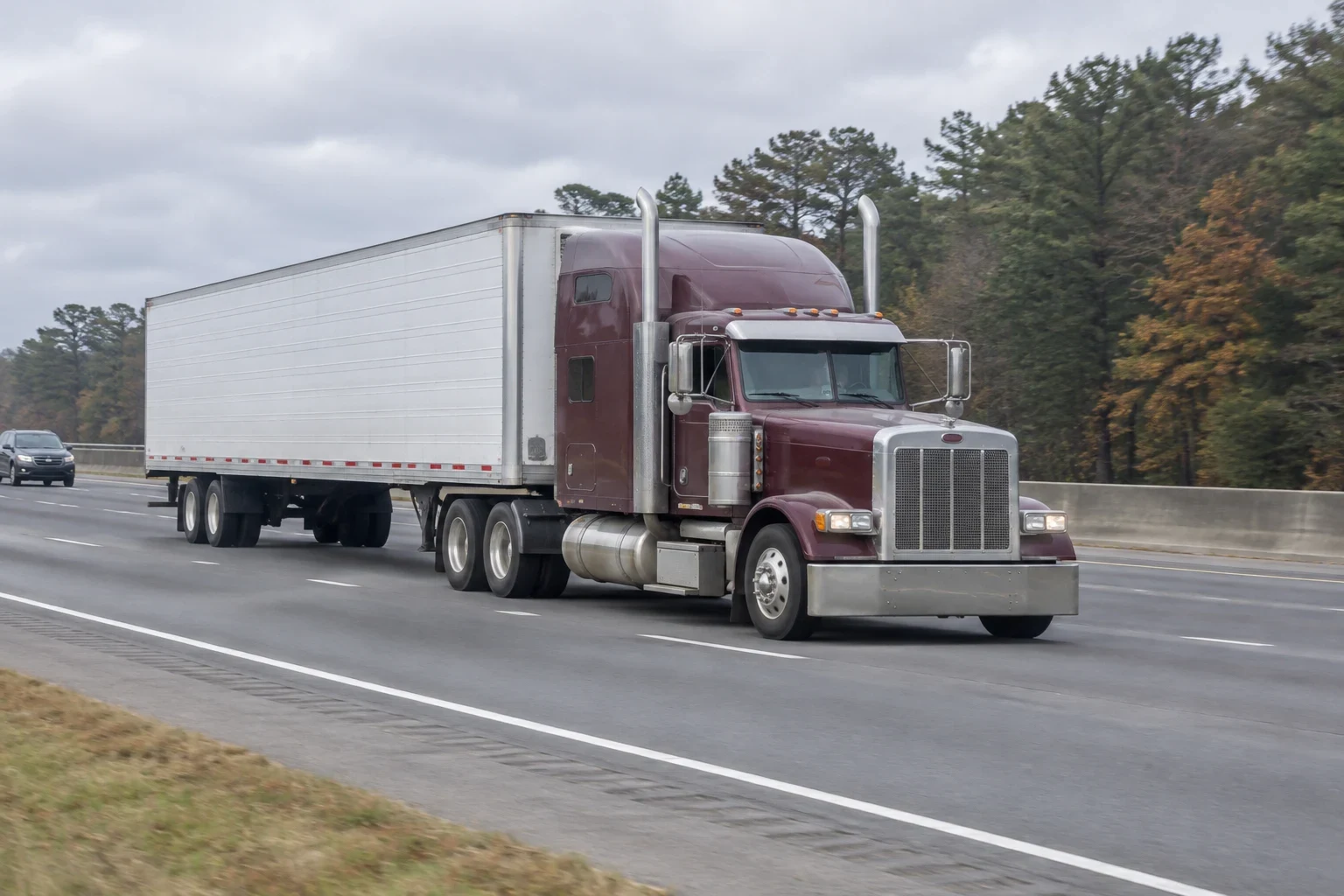
Primary auto liability pays for injuries and property damage your truck causes to others. It is the policy regulators and shippers check first. We walk you through the limit options, how the policy can be built and what each choice means for your operation before anything is bound.
The policy that keeps your authority active
If your truck is involved in a crash and someone else is hurt or their vehicle is damaged, primary auto liability is the coverage that responds. It does not repair your own truck or pay for the freight you are hauling. Those are separate policies, covered on our Physical Damage Insurance and Motor Truck Cargo Insurance pages.
For a motor carrier, this policy carries extra weight. Your insurer files proof of it with the FMCSA for interstate work, and with the state for intrastate hauling in Georgia. If the policy lapses, the filing is cancelled and your MC authority can be revoked. Brokers and shippers also ask for a certificate of insurance showing this coverage before they release a load.
We treat it like choosing the right material for a job. Two policies can carry the same limit and still be built very differently, and those differences show up when a claim is filed or a broker reviews your paperwork.
How we build your liability coverage
- Choosing a limit
- Federal rules set a minimum based on what you haul, and many brokers and contracts ask for more. We explain the trade-off between meeting the floor and carrying a higher limit that opens up more freight.
- Combined single limit or split limits
- A combined single limit puts one amount behind every claim from an accident. Split limits divide it between bodily injury and property damage. We show you how each behaves in a serious crash so the structure fits the work you do.
- Scheduled units or broader auto coverage
- Some policies cover only the trucks listed by VIN. Others extend to any auto you use in the business. Listing units can keep the premium tighter, while broader wording reduces the chance of a gap when you add or swap a truck.
- Federal and state filings
- We confirm the insurer submits the correct filings for your DOT number and MC authority, including the MCS-90 endorsement required on interstate policies. We check that the filing shows as active rather than assuming it went through.
- Certificates of insurance
- Brokers and shippers each need certificates naming them correctly. We set these up as your loads require so dispatch is not held up by paperwork.
When it is time to review your liability policy
You are applying for authority
A new MC number cannot go active until a liability filing is on record. Our New Authority Truck Insurance page explains the full startup sequence.
A broker asked for a higher limit
If a load board or contract requires more coverage than you carry, the limit needs to be raised before you accept that freight.
You added a truck or driver
A new unit or driver that is not reported correctly can leave a gap at the worst moment, especially on a scheduled-auto policy.
You are leaving a lease
Owner-operators moving from a carrier's authority to their own need their own primary liability. The carrier's policy no longer covers you once the lease ends.
Your renewal premium jumped
A sharp increase often traces back to a change in loss history, radius or commodity. We review the reasons line by line with you.
What shapes your liability premium
Liability is usually the largest part of a trucking insurance bill, because it carries the most risk. The premium reflects how likely a claim is and how severe one could be. We explain which factors you can influence and which come with the territory.
Radius and routes
Long interstate runs carry different exposure than local hauls around Douglasville and the nearby towns. Heavy-traffic corridors and longer mileage generally raise the rate.
Commodity hauled
Hazardous materials, heavy equipment and higher-risk freight raise both required limits and premiums. General dry freight usually rates more favorably.
Driver experience and records
Years behind the wheel of a commercial vehicle, violations and accidents on each driver's record are among the strongest pricing factors.
Time in business and loss history
New authorities have no track record, so carriers price them cautiously. A few clean years and documented safety practices tend to improve options at renewal.
Limit and policy structure
Higher limits and broader auto wording cost more than the minimum on scheduled units. We show the difference so you can judge whether it is worth paying.
How a quote with us comes together
- 1
A conversation about your operation
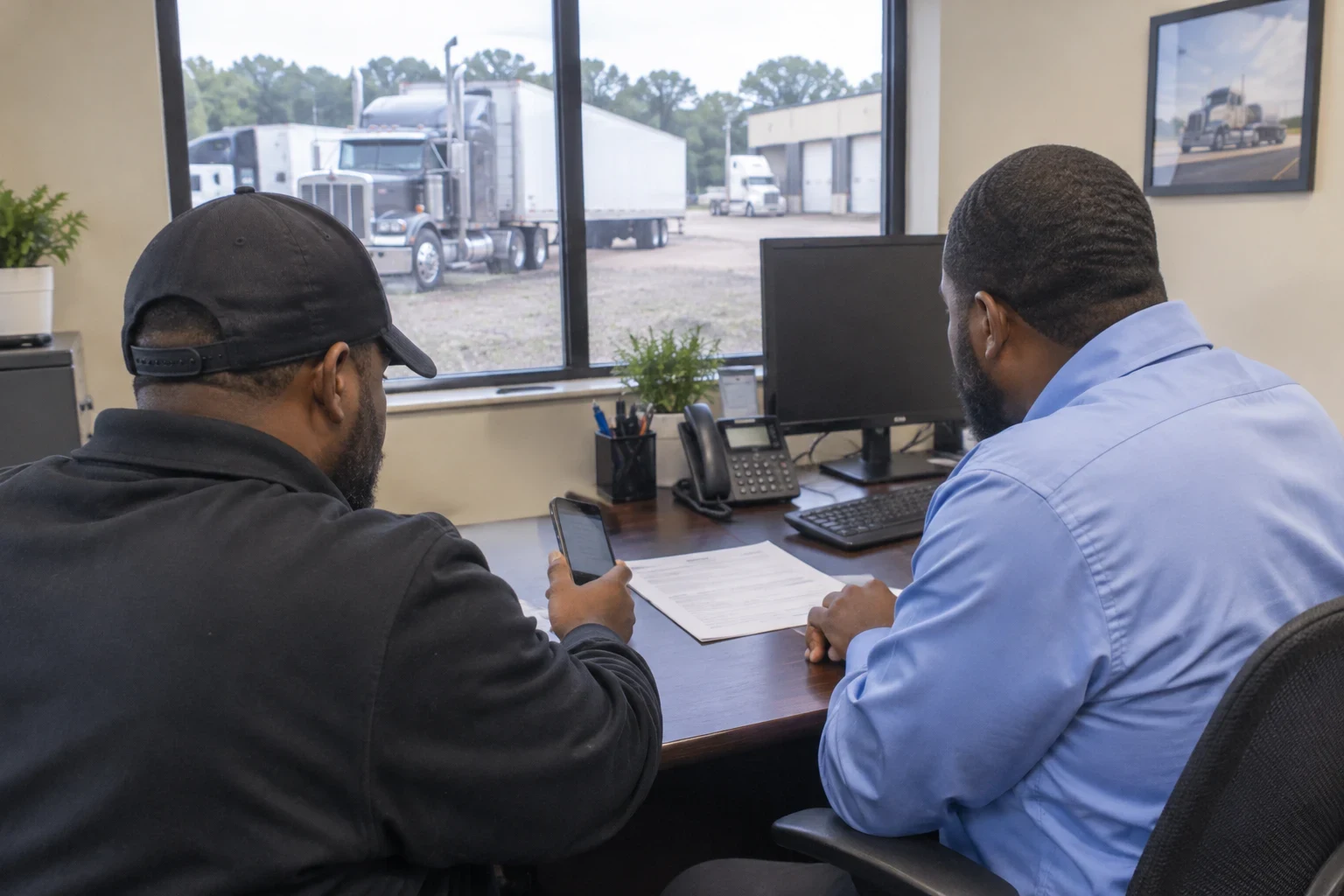
By phone, video or at our office, we ask what you haul, how far you run, who drives and what your contracts require. These details shape the policy more than any form.
- 2
Gathering your records
We collect your DOT number, driver licenses and motor vehicle records, unit information and any prior loss runs. Clean, complete records help carriers quote accurately.
- 3
Comparing options side by side
We present the limit, structure and premium for each option and explain what separates them. You decide with the trade-offs in plain view.
- 4
Binding, filing and certificates
Once you choose, the policy is bound and we confirm the filings reach the right agency. Then we issue the certificates of insurance your brokers need.
Questions about primary auto liability
Does primary auto liability cover damage to my own truck?
No. It covers injuries and property damage you cause to others. Damage to your own tractor or trailer falls under physical damage coverage, which is a separate policy we can quote alongside it.
I am leased to a carrier. Do I need my own liability policy?
Usually not while you are under dispatch, because the carrier's primary liability typically covers you. You may still need non-trucking liability for when you drive without a load. We explain that on our Non-Trucking Liability (Bobtail) Insurance page.
What happens if my policy cancels for nonpayment?
The insurer notifies the FMCSA, and your authority can be placed out of service if no replacement filing is received. Brokers also see the change. If a payment problem is coming, contact us early so we can look at options before the policy lapses.
Is the federal minimum enough?
It keeps your authority legal, but many brokers and shippers require a higher limit before they tender loads. A serious accident can also exceed the minimum quickly. We help you weigh the added premium against the freight a higher limit opens up.
How quickly can a broker get my certificate?
Once the policy is bound, we issue certificates as brokers request them. Having the broker's exact legal name and any special wording ready speeds the process.
Choose your limits with the trade-offs in view
Tell us how your operation runs and what your contracts ask for. We will lay out the liability options and explain what separates them.