ServicesNon-Trucking Liability (Bobtail)
Non-Trucking Liability (Bobtail) Insurance in Douglasville
When you are leased to a motor carrier, their liability policy follows the truck only while you are under dispatch. We set up non-trucking liability that covers the rest of your miles, and we read the policy wording with you so you know where coverage starts and stops.
What non-trucking liability actually covers
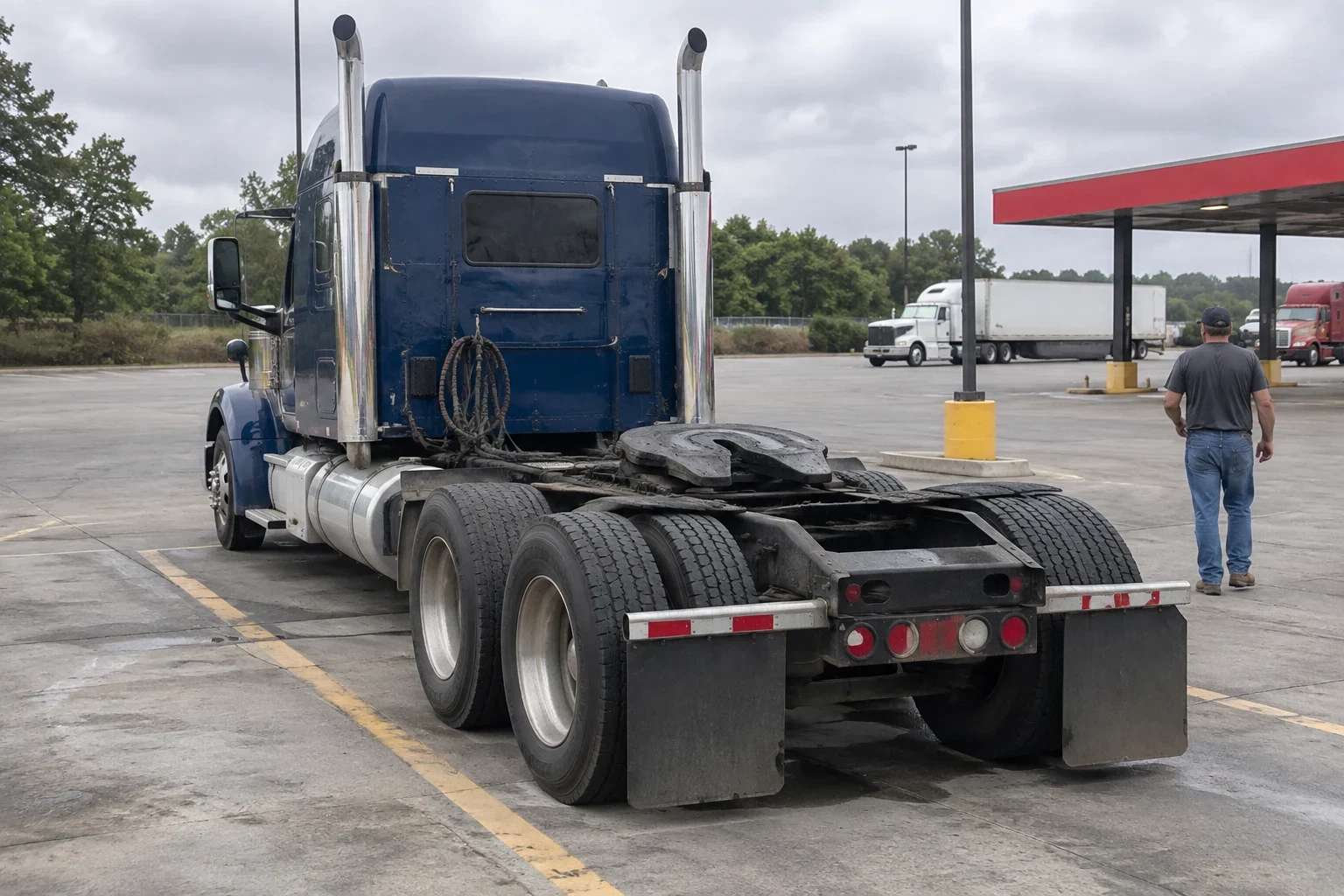
Non-trucking liability pays for injury or property damage you cause to others while driving your truck for personal use, outside of any load or dispatch. Your motor carrier's primary liability carries you while you work for them. Our policy picks up when that work stops, such as a weekend drive or a trip to see family.
Bobtail and non-trucking liability are often treated as the same thing, but the policy forms are not always written alike. A true bobtail form may cover the tractor with no trailer attached, sometimes even on the way to a pickup. A non-trucking form usually turns on one question: are you under dispatch? A trailer behind you does not change that answer. The difference matters on the day of a claim, so we explain which form a quote is built on before you choose it.
What we go over with you
- Your lease agreement
- We read the insurance section of your lease with the carrier. It usually spells out the limit they require and who must be listed on the certificate.
- Policy form comparison
- We put the non-trucking and bobtail wording side by side. You see which trips each form covers and which it excludes, in plain terms.
- Liability limit options
- Carriers set a minimum, and some drivers choose to carry more. We show how each limit changes the premium so the trade-off is yours to weigh.
- Certificate of insurance
- Once coverage is bound, we issue the certificate of insurance to your motor carrier with the names and details their lease asks for.
- Gaps to fill elsewhere
- Non-trucking liability does not pay to fix your own truck. If you need that, we can quote physical damage insurance alongside it.
Signs it is time to set this up
You are signing a lease
Most carriers will not put a leased owner-operator on the road without proof of non-trucking liability.
Your carrier asked for a certificate
A request from safety or onboarding means they need it on file before your first load.
You drive the truck off duty
If the tractor goes to the shop, the truck stop or anywhere on your own time, those miles fall outside the carrier's policy.
You are switching carriers
A new lease can require a different limit or certificate holder. Your coverage should be updated before you start running for them.
You gave up your own authority
Moving from your own MC authority to a lease changes what you need. Primary liability shifts to the carrier, and non-trucking liability takes its place on your side.
How it works with us
- 1
A phone or video conversation
You tell us about your truck, your carrier and how you use the tractor off duty. Have your lease and driver's license handy if you can.
- 2
We review the wording
We check what your lease requires and which policy forms fit how you actually drive. If a trip you take often would be excluded, we point it out.
- 3
Your quote, line by line
We walk through the premium, the limit and the form it is written on. Nothing is bound until you say yes.
- 4
Certificate to your carrier
After you choose, we send the certificate of insurance to the motor carrier so you can get dispatched without a holdup.
What shapes your premium
Non-trucking liability usually costs less than primary liability because it covers fewer miles. The price still varies from one driver to the next. These are the details insurers weigh most.
- Driving record
- Violations and at-fault accidents on your MVR carry the most weight. A clean record keeps more options open.
- Limit you carry
- Higher limits cost more. Your lease sets the floor, and anything above it is a choice we can price both ways.
- Where the truck is parked
- Insurers rate by the garaging location. A tractor kept in Douglasville is rated differently from one parked in a rural county.
- Truck type and history
- The tractor's weight class and any prior claims or lapses in coverage both affect the premium.
Questions about non-trucking liability
Something not covered here? (770) 525-6971
Does it cover me while I drive to pick up a load?
Usually not. Once you are heading to a pickup for the carrier, most non-trucking forms treat you as under dispatch, and the carrier's liability should apply. Some bobtail forms read differently, which is why we compare the wording before you choose.
Will this pay to repair my truck after a wreck?
No. Non-trucking liability pays for damage you cause to other people and their property. Repairs to your own tractor fall under physical damage insurance, which we can quote at the same time.
My carrier offers this coverage through a deduction. Should I take it?
It can be convenient, and sometimes it is a fair price. It can also end the day your lease ends. We are glad to quote a policy in your own name so you can compare both before deciding.
Do I need this if I run under my own authority?
No. With your own MC authority and DOT number, you need primary auto liability, which covers you on and off the job. Non-trucking liability is built for drivers leased to another motor carrier.
What happens if I change carriers mid-policy?
Call us before your first load with the new carrier. We update the certificate holder and check that your limit still meets the new lease, so your coverage carries over cleanly.
Know what your off-duty miles are covered for
Bring your lease to the call and we will go through the options with you. You will hear the form, the limit and the premium before anything is bound.