ServicesHotshot Truck Insurance
Hotshot Truck Insurance in Douglasville
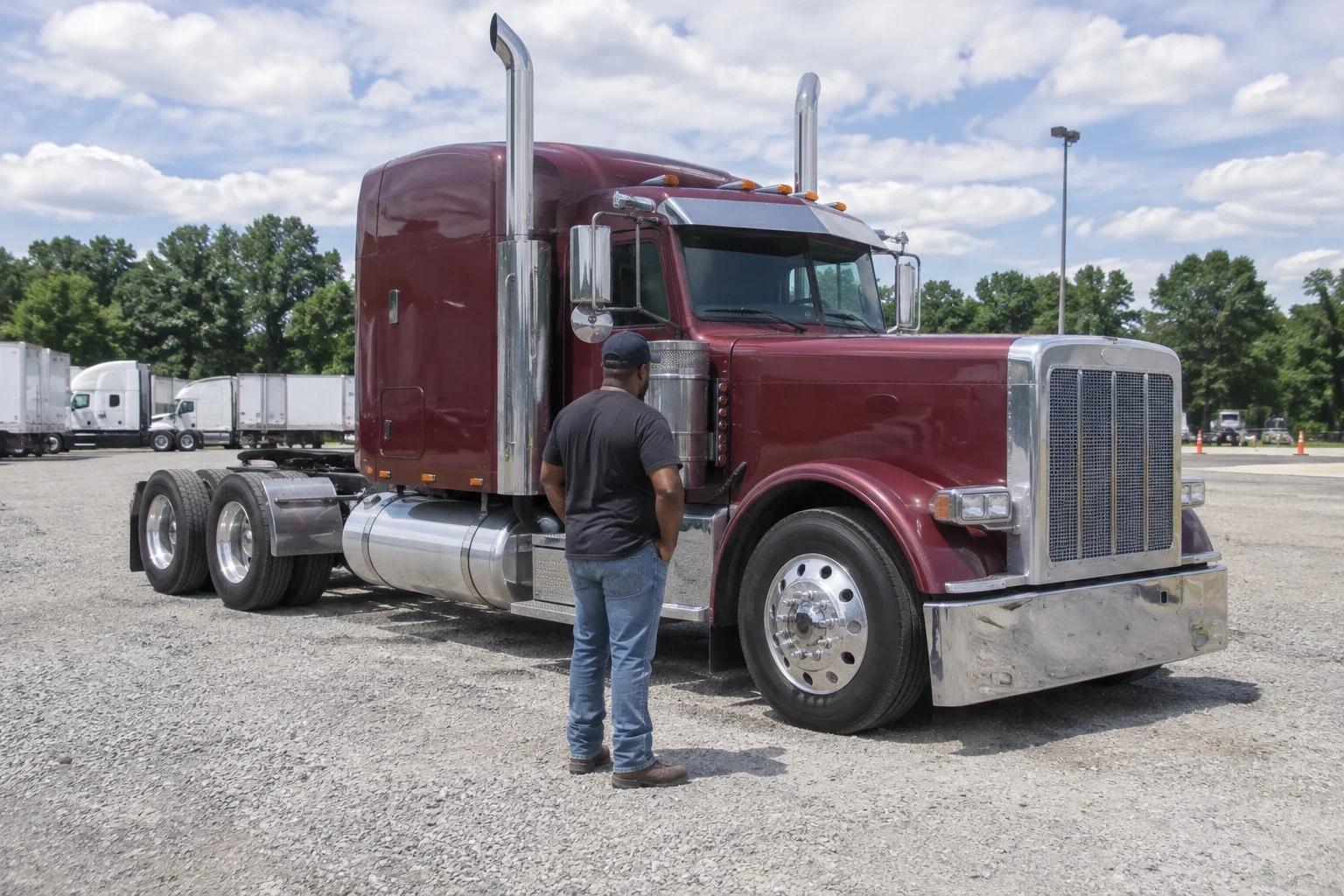
Hotshot work runs on a heavy-duty pickup, a flatbed or gooseneck trailer and tight delivery windows. We build coverage around that setup and explain each piece, what it protects and what it leaves out, so you choose with clear eyes and your filings are in place before you haul.
Coverage for a pickup and trailer that earn a living
A personal auto policy stops at the edge of business use. Once your one-ton or medium-duty pickup is pulling freight for pay, you need commercial coverage. If you cross state lines with a combined weight over 10,001 pounds, you also need a DOT number, and running for-hire under your own MC authority brings a liability filing with it.
A hotshot policy is assembled from parts. Primary liability protects other people. Physical damage protects the truck and the trailer. Cargo coverage protects the load. Each part comes in different forms, with its own limits, deductibles and exclusions, and the right mix depends on what you haul and who you haul for.
We lay those options side by side and talk through the trade-offs, at our office in Douglasville or by phone and video. You see what each choice adds to the premium and what it actually buys you on the road.
What a hotshot policy can include
- 01
Primary auto liability
Covers injury and damage you cause to others. It is the coverage tied to your federal filing, and brokers check the limit on your certificate of insurance before they release a load.
- 02
Physical damage for truck and trailer
Collision and comprehensive for the pickup and the trailer, each listed on its own. We help you set stated values that match what the equipment is really worth, since a used gooseneck with new decking rarely matches a book figure.
- 03
Motor truck cargo
Protects freight while it is in your care. We read the exclusions with you, because many cargo forms limit coverage for unattended loads, certain commodities or damage traced back to how the load was secured.
- 04
Non-trucking liability
For drivers leased on to a carrier. The carrier's policy covers you under dispatch, and non-trucking liability covers the truck when you drive it for your own reasons.
- 05
Filings and certificates
We put the federal liability filing on record, along with any state filings your operation needs. When a broker or shipper asks for proof of coverage, we get the certificate to them.
Questions about Hotshot Truck Insurance?
Call(770) 525-6971Signs your hotshot coverage needs a closer look
You are hauling on a personal auto policy
Most personal policies exclude commercial hauling outright. A claim on a paid load can be denied, leaving the truck, the trailer and the liability on you.
Your MC authority is waiting on a filing
New authority cannot go active until the insurance filing is on record. Every day it sits is a day you cannot book loads under your own name.
A broker turned down your certificate
Usually the cargo limit is too low, a commodity is excluded or the named equipment does not match what you are running. It is a fixable problem once someone reads the policy closely.
You upgraded the truck or the trailer
A heavier pickup or a longer gooseneck changes the values on your policy and sometimes the weight class. Coverage written for the old setup may leave a gap.
Your freight has changed
Moving from hay and lumber to machinery or vehicles changes the cargo risk. Car hauling in particular often needs specific cargo terms.
How we put your policy together
- 1
A conversation about your operation
We ask about the truck year and GVWR, the trailer, your lanes, the commodities you haul, your driving history and where your authority stands. It takes one call or a short video meeting.
- 2
Options laid out side by side
We show you a few ways to build the policy, with different limits, deductibles and cargo forms. For each one we explain what changes in the premium and what changes in protection.
- 3
Your choice, then binding and filings
You decide. We bind the coverage and get the filings on record so your authority can go active or stay active.
- 4
Certificates and later changes
We issue certificates to your brokers and shippers. When you add a trailer, change freight or reach renewal, we revisit the policy with you.
What moves the premium on a hotshot policy
Hotshot premiums vary more than most drivers expect, even between two people running the same truck. We explain which factors are shaping your number and which ones you control. There are no figures here, because your quote depends on your own operation.
- Authority age and experience
- New authorities and drivers with little commercial history pay more. The premium usually eases as you build a clean record under your own MC number.
- Driving record
- Recent violations and at-fault accidents weigh heavily. Commercial driving experience, with or without a CDL, counts in your favor.
- Radius and lanes
- Regional runs out of west Georgia rate differently than long interstate trips through dense metro corridors. The farther and busier the routes, the higher the liability exposure.
- Equipment value and deductibles
- Newer trucks and trailers cost more to insure for physical damage. A higher deductible lowers the premium, and we help you pick one you could actually pay.
- What you haul
- Cargo limits and commodity type change the cargo premium. Vehicles, machinery and high-value loads cost more to cover than general freight.
Hotshot insurance questions
Do I need a CDL to get hotshot insurance?
Not always. A Class A CDL is required when the combined weight rating is over 26,000 pounds and the trailer alone is over 10,000 pounds, and many hotshot rigs stay under that. Insurers do look closely at commercial experience, so a CDL and a clean record can widen your options.
Will my personal truck policy cover hotshot loads?
In almost every case, no. Personal auto policies exclude hauling goods for pay, and an insurer can deny a claim if the truck was under dispatch. Commercial coverage is the only reliable way to protect the truck, the trailer and the load.
How much cargo coverage will brokers expect?
Each broker sets its own minimum, and some ask for more on certain freight. We look at the loads you want to book and match your cargo limit to them, so your certificate clears the first time.
Can I insure hotshot work if my authority is brand new?
Yes. Fewer insurers write brand-new authorities and the options are narrower, but coverage is available. Our New Authority Truck Insurance page explains what to expect in the first year.
What if I lease on to a carrier instead of running my own authority?
The carrier's liability usually covers you while you are under their dispatch. You will likely still want physical damage on your equipment and non-trucking liability for off-dispatch driving. Our Owner-Operator Truck Insurance page covers that setup in more detail.
Talk through your hotshot setup with us
Have your truck and trailer details ready, your DOT number if you have one, and the kinds of loads you run. We will explain the options plainly and give you your quote by phone.