ServicesOwner-Operator Insurance
Owner-Operator Truck Insurance in Douglasville
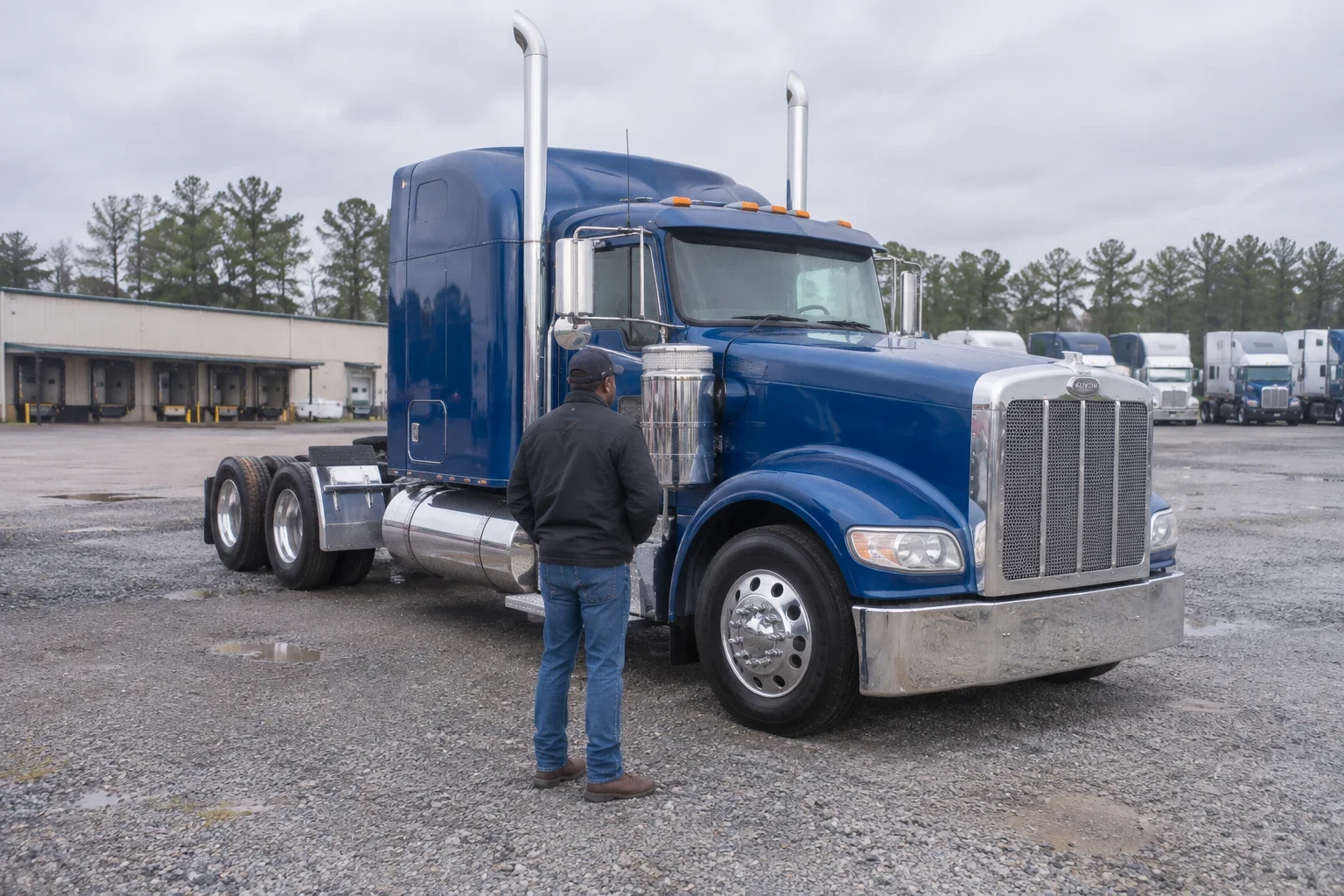
You own the truck, so the coverage decisions land on you. We lay out each piece of an owner-operator policy, what it protects, what it leaves out and how it fits your lease or your own authority, so you buy what your operation needs.
Coverage that matches how you run
Owner-operator insurance is not one policy. It is a set of coverages, and the right set depends on one question first: are you leased on to a motor carrier, or hauling under your own MC authority and DOT number.
If you are leased on, the carrier usually carries primary liability while you are under dispatch. Your job is to cover the truck itself and the hours you drive it off dispatch. If you run your own authority, you carry everything, including the federal filings that keep your authority active.
We explain each option and its trade-offs in plain terms. A higher deductible lowers the premium but raises what you pay after a loss. A broad cargo form costs more but fewer commodities fall through the gaps. You decide with the full picture in front of you.
What an owner-operator policy can include
- 01
Primary auto liability
Covers injury and damage you cause to others while hauling. Required when you hold your own authority, and the coverage your filings are tied to. Leased drivers typically rely on the carrier's policy here.
- 02
Non-trucking liability (bobtail)
For leased drivers, this covers the truck when you are off dispatch, such as driving home or to the shop. Many carriers require proof of it before they will sign your lease.
- 03
Physical damage
Pays to repair or replace your truck and trailer after a collision, fire, theft or weather loss. If the truck is financed, the lender will almost always require it, often with a set maximum deductible.
- 04
Motor truck cargo
Protects the freight you haul. We check the policy's excluded commodities against what you actually pull, since a mismatch is one of the most common reasons cargo claims get denied.
- 05
Trailer interchange
Covers damage to a trailer you do not own while it is in your care under a written interchange agreement. Worth a look if you pull power-only loads.
- 06
Certificates and filings
We issue certificates of insurance to carriers, brokers and shippers, and handle the insurer filings your authority requires.
Questions about Owner-Operator Insurance?
Call(770) 525-6971Signs it is time to review your coverage
You are switching carriers
A new lease often brings new insurance requirements. The bobtail limits or physical damage terms you had may not satisfy the next carrier.
You are getting your own authority
Leaving a lease to run under your own MC number changes almost everything about your policy. Our New Authority Truck Insurance page covers that step in more detail.
Your truck or trailer changed
A newer tractor, a paid-off loan or a different trailer type all shift what physical damage should cost and how it should be written.
Your freight changed
Moving from dry van to reefer or flatbed changes cargo exposures. A policy written for one commodity can leave another uncovered.
A broker rejected your certificate
If a certificate of insurance keeps coming back with requests for higher limits or added coverage, the policy is out of step with the loads you want.
How we put your policy together
- 1
A conversation about your operation
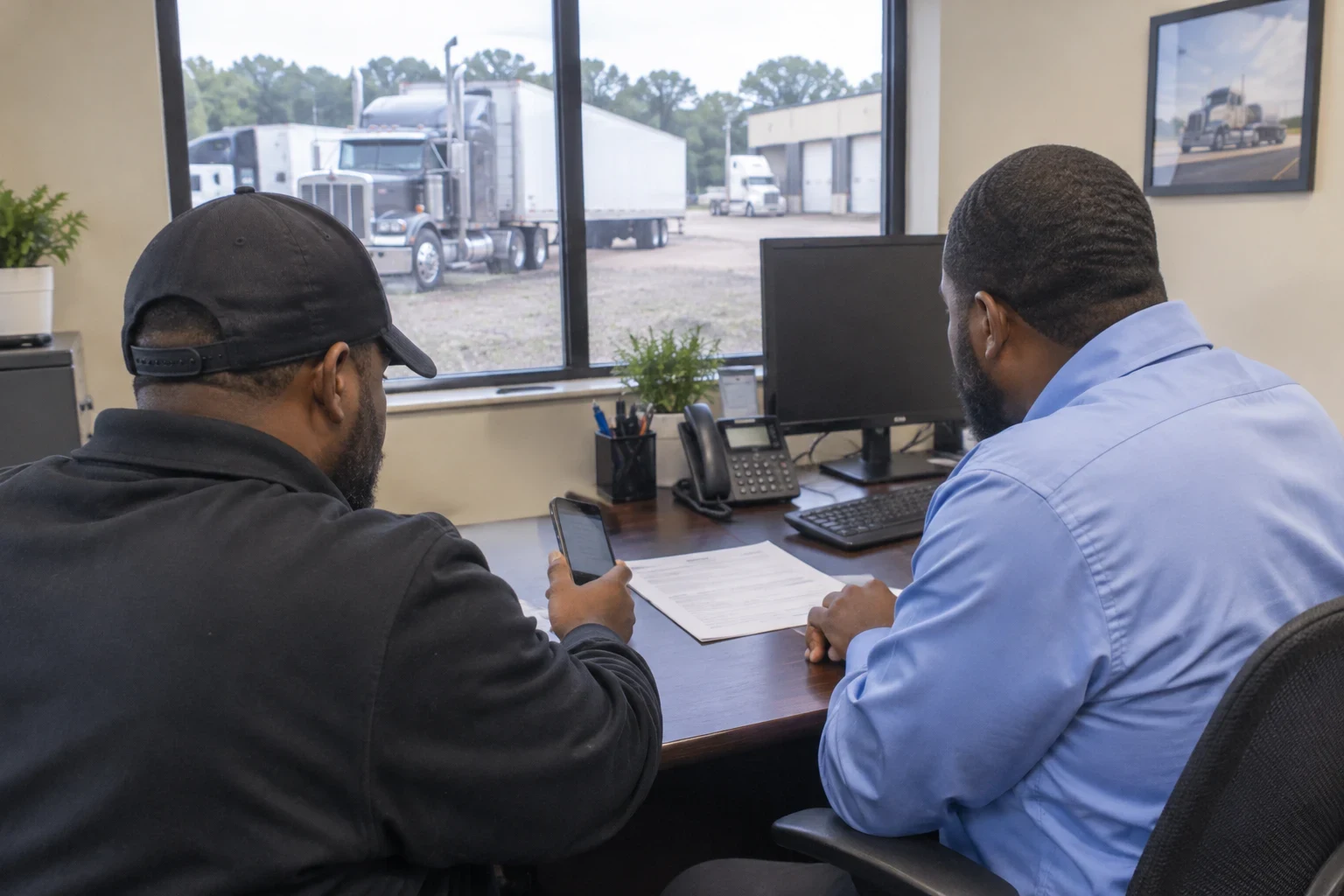
We start by phone, by video or at our office. We ask how you run: leased or own authority, lanes, radius, freight and who finances the truck.
- 2
Gather the details
Have your CDL, DOT number, truck and trailer VINs, lease agreement if you have one, and any prior loss runs. These shape every quote.
- 3
Compare options side by side
We shop the coverage and show you how limits, deductibles and cargo forms change the premium. You see what each choice gives up and what it adds.
- 4
Bind, file and send certificates
Once you choose, we bind the policy, handle the required filings and send certificates of insurance to your carrier or brokers.
What moves the premium
Owner-operator premiums vary widely, and most of the difference comes from a handful of details. We show you which ones apply to you so the quote makes sense. Some you can change, like deductibles; others, like driving history, you work with over time.
- Leased on or own authority
- Running your own authority means carrying primary liability, usually the largest line on the bill. Leased drivers pay mainly for bobtail and physical damage.
- Driving record and experience
- Years holding a CDL, recent violations and prior claims weigh heavily. Insurers look closely at the last three to five years.
- Truck value and deductible
- Physical damage is priced on the stated value of your equipment. A higher deductible lowers the premium but means more out of pocket after a loss.
- Radius and freight
- Long-haul routes and higher-risk commodities cost more to cover than short local runs on I-20 corridors hauling general freight.
- Garaging and history
- Where the truck is parked, and any lapse in prior coverage, can both affect what insurers will offer.
Owner-operator insurance questions
If I am leased to a carrier, do I need my own insurance?
Usually yes. The carrier's policy typically covers liability while you are under dispatch, but your truck itself and your off-dispatch driving are often on you. Most leases spell out exactly what you must carry, and we read through it with you.
What is the difference between bobtail and non-trucking liability?
People use the terms loosely. Non-trucking liability covers the truck any time it is not under dispatch, with or without a trailer. True bobtail coverage applies only when no trailer is attached. We confirm which one your carrier's lease actually asks for.
Can I keep my policy when I get my own authority?
Some pieces may carry over, like physical damage, but you will need primary liability and cargo coverage written for a motor carrier, plus filings tied to your MC authority. It is a new structure, and we plan the switch so there is no gap.
My lender has insurance requirements. Can you work with those?
Yes. Lenders usually set a maximum deductible and want to be listed as loss payee. We write physical damage to meet those terms and send them proof.
How do I get a certificate of insurance to a broker?
Tell us which broker or shipper needs it, the exact certificate holder name, and any special wording they ask for, such as being named on the policy. We issue the certificate directly to them once your policy is in force.
Know what each coverage does before you buy
Have your DOT number and truck details handy. We will walk through your options piece by piece and put together a quote that fits how you run.